


Emerging restaurant brands do not grow by accident. They grow because the food works, the service model is repeatable, and guests keep coming back. But when a concept expands from 5 to 50 locations, the pressure changes. What worked as a flexible store-level decision now has to become a system.
That is especially true for packaging.
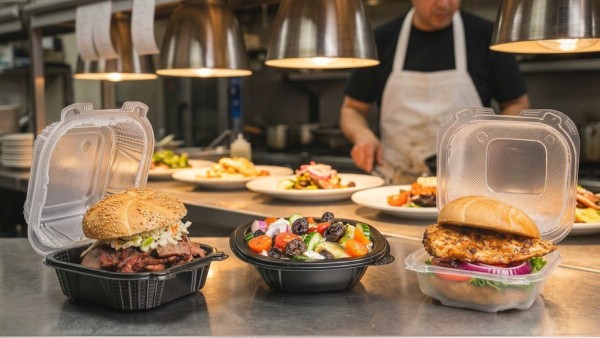
In today’s U.S. restaurant market, off-premises dining is part of the core business model. Takeout, delivery, drive-thru, curbside pickup, mobile ordering, catering, and grab-and-go all shape how customers experience a brand. For growing restaurant concepts, scalable packaging often starts with the menu items customers order most: burgers, fried chicken sandwiches, wings, tacos, wraps, salads, bowls, pasta, barbecue, family meals, and prepared grab-and-go foods.
For a growing restaurant group, the container is no longer “just packaging.” It is the plate, the travel system, the presentation tool, and often the first physical brand touchpoint the guest sees.
A smart restaurant packaging program helps emerging brands protect food quality, simplify training, control inventory, and deliver a more consistent experience across every location.
Why Multi-Location Restaurant Packaging Gets Harder With Growth
At five locations, packaging decisions can still happen informally. A manager may try a substitute container. A local supplier may recommend a different lid. One store may pack bowls one way, while another uses a different container for the same menu item.
At 50 locations, those small differences can become expensive.
Common packaging problems for growing restaurant groups include:
- inconsistent food presentation from store to store
- too many packaging SKUs in storage areas
- staff confusion during rush periods
- leaking, soggy, or crushed off-premises orders
- higher reorder complexity
- poor approved-substitution control
- inconsistent guest experience across regions
- packaging choices that do not align with local market requirements
That is why multi-location restaurant packaging should be treated as part of scaling restaurant operations, not as a last-minute supply order.
Start With the Menu: What Are You Really Packaging?
The strongest packaging programs start with the food. Emerging restaurants often scale around high-volume, repeatable menu categories:
- burgers, fried chicken sandwiches, and handhelds
- wings, tenders, fries, and crispy sides
- tacos, wraps, and street-food inspired items
- salads, grain bowls, and protein bowls
- barbecue, pasta, and sauced entrées
- soups, dips, dressings, and condiments
- family meals, bundles, and catering orders
- refrigerated grab-and-go meals
Each food category has different packaging needs. Crispy items may need ventilation. Sauced entrées need leak resistance. Bowls need secure lids and stackability. Salads and grab-and-go meals benefit from visibility. Combo meals may need compartments to keep sides, proteins, and sauces separated.
Genpak’s hinged containers can support everyday takeout and delivery workflows where speed, portability, and consistency matter. For bowl-based menus and prepared meals, Genpak bowls and Grab-A-Bowl packaging can help support visibility, stacking, and transport. For sauces, dressings, condiments, and small sides, portion cups help operators standardize the details that affect order accuracy and food cost.
Packaging Program Starter Matrix
A scalable program should make container decisions easier, not harder. Use menu categories to define the packaging system.
| Menu Category | Packaging Need | Operational Benefit | Genpak Fit |
|---|---|---|---|
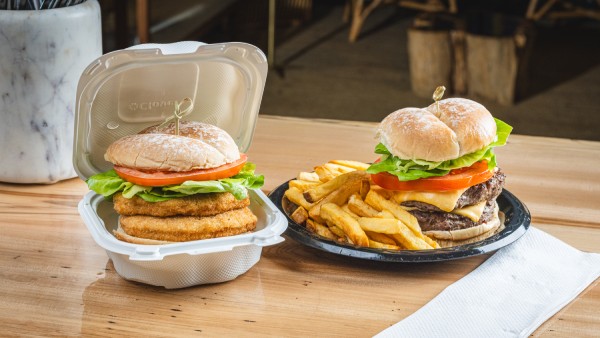
| Burgers, sandwiches, fried chicken | Hinged format with secure closure | Faster packing and better portability | Hinged Containers |
| Wings, pasta, barbecue, sauced entrées | Leak resistance and stacking strength | Cleaner delivery and fewer remakes | Clover™ |
| Bowls, salads, prepared meals | Secure lid and product visibility | Better presentation and order checks | Grab-A-Bowl |
| Premium takeout entrées | Clear presentation and venting | More elevated off-premises experience | ProView™ |
| Sauces, dressings, sides | Portion control | More consistent recipes and food cost | Portion Cups |
| Branded takeout and delivery | Logo, message, or embossing options | Stronger brand recognition after the sale | Custom Branded Containers |
Build Around Fewer, Smarter SKUs
One of the biggest packaging mistakes growing restaurant groups make is allowing too many containers into the system. Every extra SKU adds complexity: more storage, more ordering decisions, more substitutions, and more room for staff error.
A practical restaurant packaging program might include:
- one everyday entrée container
- one larger or premium entrée container
- one bowl system for salads and grain bowls
- one portion cup system for sauces and sides
- one approved family meal or catering format
- approved lids and approved substitutions
- clear use rules for hot, cold, crispy, sauced, and reheatable items
This gives every location a common packaging language. A new employee should not have to guess which container fits which item. A new store should not have to rebuild the packaging program from scratch.
Protect the Off-Premises Experience
Guests judge takeout and delivery differently than dine-in. They notice if fries arrive soggy, if a lid pops open, if sauce leaks into the bag, or if an entrée cannot be reheated easily. The food may leave the kitchen in great condition, but if the container fails, the experience suffers.
Genpak’s restaurant food service packaging is designed for the realities of off-premises dining, with options that support meal presentation, portability, leak resistance, stackability, microwave-safe use, and travel performance.
For growing operators, those features can support:
- faster packing during peak periods
- cleaner pickup and delivery handoffs
- better staging for third-party delivery
- more consistent food presentation
- easier order verification
- fewer packaging-related complaints
- a better experience when the guest opens the meal
Consider Local Markets Before You Scale
A packaging program that works in one market may need adjustments in another. As restaurant brands expand across cities, counties, and states, packaging decisions should account for local regulations, distributor availability, sustainability expectations, and customer preferences.
That does not mean every location should make its own decisions. It means the brand should create a controlled system with approved options. For example, a restaurant group may use one primary polypropylene container where microwave-safe performance is important, while also approving a fiber-based option in markets where compostable or renewable packaging is a stronger fit.
Genpak’s materials include polypropylene, Harvest® Fiber, paperboard, PET, and polystyrene options. Polypropylene can support rigid, microwave-safe food packaging. Harvest® Fiber can support operators looking for commercially compostable, fiber-based packaging for hot and cold food applications. PET can help with visibility for cold and grab-and-go foods. Polystyrene can offer lightweight insulation where permitted and appropriate.
The key is to choose material by function, not habit.
Ask:
- Does the food need to stay hot?
- Does the item need to vent?
- Will the guest reheat it?
- Does the product need visibility?
- Does the container stack cleanly?
- Does it meet local market requirements?
- Does it support the brand’s sustainability goals?
Make Packaging Part of the Brand System
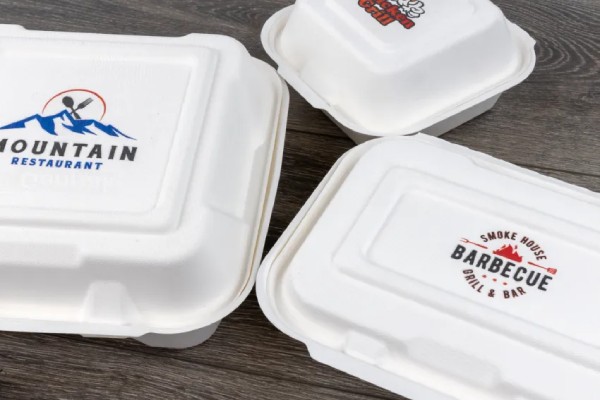
For emerging restaurant brands, packaging is also a marketing channel. In delivery and takeout, the guest may never see the dining room. The container, label, bag, and presentation carry the brand experience.
That is where custom packaging can add value. Genpak’s custom-branded containers can help operators bring logos, messaging, printing, and embossing into select foodservice packaging options. For a restaurant group scaling into new markets, that added brand presence can help make every off-premises order feel more intentional and recognizable.
Ready to Build a Packaging Program That Can Scale?
A restaurant packaging program that works at five locations will not automatically work at 50. Growth brings more orders, more employees, more vendors, more markets, and more opportunities for inconsistency. The right packaging strategy gives operators more control before those challenges become costly.
Genpak helps restaurant operators match packaging to real menu needs, including delivery, takeout, grab-and-go, catering, hot foods, cold foods, sauces, sides, and branded off-premises experiences.
Whether your team is opening the next location, standardizing packaging across an existing group, or preparing for regional expansion, Genpak can help you build a packaging program that supports food quality, operational efficiency, and a consistent guest experience from location to location.
Explore Genpak’s restaurant packaging solutions or contact the Genpak sales team to start building a packaging program that can scale with your brand.