


Takeout, delivery, grab-and-go, and prepared foods have changed what packaging needs to do. For quick-service restaurants, fast casual brands, cafés, bakeries, delis, meal-prep concepts, grocery prepared-food programs, and takeout-heavy independents, the container is no longer just the last step before handoff. It is part of the product.
That matters because some of today’s most popular portable food categories all have different packaging needs. Fried foods remain takeout favorites because they are convenient, familiar, and easy to order in high volume. Cold prepared foods continue to perform because they fit busy eating habits and refrigerated grab-and-go merchandising. Bakery items stay popular because they support impulse purchases and add-on sales. Bowl meals and meal-prep formats continue to grow because they offer portioned, flexible meals customers can eat now or save for later.
The mistake many operators make is treating all of those items like they can travel in the same package. They cannot.
Why Container Choice Matters
The right container does more than hold food. It helps protect product integrity, preserve presentation, support transport, and create a better customer experience once the order is opened.
When the wrong package is used, the problems show up quickly:
- fried foods lose crispness
- sauces leak
- cold prepared foods look less fresh
- bakery items lose shape
- meal-prep items become harder to store, stack, or reheat
For restaurants and takeout establishments, packaging should be matched to how the food is sold, transported, and consumed. Container selection should follow the menu, not just the supply order.
Start with the Menu Mix
A stronger packaging strategy starts with one question:
What does this food need to do after it is packed?
For most operators, that comes down to four priorities:
- Protect freshness and texture
- Prevent leaks and movement
- Support product presentation
- Make the food easier to use later
Once you look at the menu through that lens, it becomes clear why one container does not fit all.
Cold Prepared Foods Need Visibility and Secure Closure
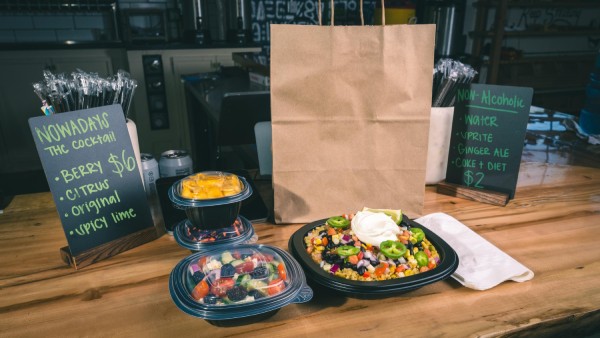
Cold prepared foods are often sold visually. Pasta salads, fruit cups, deli sides, parfaits, snack packs, and refrigerated grab-and-go items need packaging that shows freshness immediately while still protecting the product in display and during transport.
Containers for deli prepared foods make more sense than defaulting to a standard hot-food package. Clear packaging helps merchandise freshness, supports perceived value, and makes portioned prepared foods look more intentional.
Genpak’s AD Deli Containers are a strong example of packaging built for that use-case. The line is designed around visibility, secure closure, and grab-and-go merchandising. Options like the AD12 and AD16F show how deli-style packaging can support both shelf appeal and product protection.
Best fit for:
- deli salads
- fruit cups
- snack packs
- chilled sides
- refrigerated desserts
- grab-and-go prepared foods
Deli Container vs Clamshell: Choose Based on Function
The deli container vs clamshell question is not really about which format is better overall. It is about which format is better for the specific menu item.
A deli container works best when the item is:
- cold
- portioned
- sold in refrigerated display
- dependent on visibility
- better suited to a compact footprint
A clamshell works best when the item is:
- wider or taller
- more delicate on top
- sold as a complete meal
- better protected by a hinged structure
- likely to be transported as part of a takeout order
That is why AD Deli Containers and Genpak’s hinged containers should not be treated as interchangeable. They solve different operational and merchandising challenges.
Hot Entrées Need Structure and Off-Premises Performance
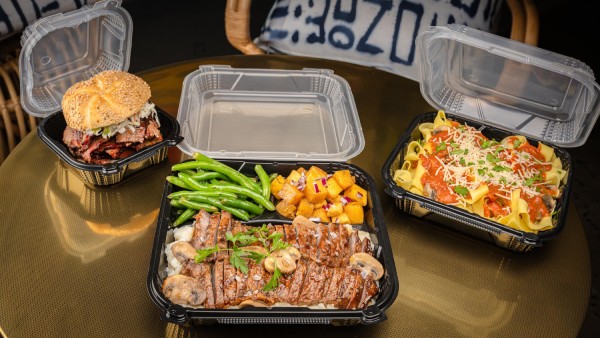
Hot entrées put more pressure on packaging because they create heat, moisture, movement, and stacking challenges all at once. A good takeout container has to do more than hold portion size. It has to support meal presentation, resist leaks, and travel well from the back of house to the customer’s table.
This is where clamshell-style containers continue to matter. Genpak’s hinged containers are designed for off-premises dining, where portability, durability, and product protection all matter. For operators looking for a more elevated presentation, ProView™ combines a clear vented lid with a black base to better showcase the meal while still supporting transport performance. For broader everyday takeout needs, Clover™ provides a versatile option for hot and cold foods.
Best fit for:
- combo meals
- protein-and-side entrées
- lunch specials
- sandwiches with sides
- sauced dishes
- everyday takeout meals
Fried Foods Need Venting, Not Just Containment
One of the biggest packaging mistakes operators make is grouping all hot foods together. Fried foods are different because they are especially vulnerable to trapped steam.
If moisture stays inside the package, crisp foods lose texture quickly. Fries, tenders, wings, breaded appetizers, and fried sandwiches need packaging that helps manage steam, not just contain the order.
That is why vented packaging matters. Genpak’s Clover™ and ProView™ lines are especially relevant for menus with moisture-sensitive items because they support off-premises performance while helping operators think beyond simple containment.
Priority features for fried foods:
- venting
- structural stability
- stackability
- leak resistance
- delivery performance
Bakery Packaging Has to Protect the Product and the Sale
Bakery items are often impulse purchases. A muffin, brownie, cookie assortment, pastry, or dessert add-on has to look appealing the moment the customer sees it.
Bakery clamshell containers deserve separate consideration. In bakery, the package is doing two jobs at once:
- protecting the item
- helping sell the item
If the package crushes toppings, hides the product, or makes it look less premium, it weakens perceived value before the first bite.
For this category, clamshell-style packaging is often a better fit than a standard entrée package because it provides top-and-bottom protection while preserving visibility. Genpak’s hinged container portfolio is especially useful here for operators merchandising desserts near the register, in front-of-house display, or in grab-and-go bakery programs.
Best fit for:
- muffins
- brownies
- cookies
- pastries
- dessert assortments
- grab-and-go bakery items
Containers for Meal Prep Need to Work After the Sale
Meal-prep behavior has changed what many customers expect from takeout and prepared foods. More food is being purchased for later use, not just immediate consumption. That means the package has to perform beyond the handoff.
Containers for meal prep should be selected with post-purchase convenience in mind. They need to travel well, stack neatly in the refrigerator, make product identification easy, and often support reheating later.
Genpak’s Grab-A-Bowl and Smart2Go lines are a strong example of packaging designed for that use-case. With stackable construction, clear-lid visibility, and flexibility for hot and cold foods, it fits menu items that move between takeout, refrigeration, and later use.
Best fit for:
- grain bowls
- salad bowls
- protein bowls
- prepared lunches
- refrigerated next-day meals
Match the Package to the Menu
The strongest operators do not build packaging around one universal format. They build it around how each menu category needs to perform.
- Use containers for deli prepared foods when visibility and secure refrigerated merchandising matter.
- Use deli containers for compact cold items that sell through freshness and clarity.
- Use clamshells when the item needs more structure, a wider footprint, or better top-and-bottom protection.
- Use vented packaging when crispness is part of the product promise and trapped steam can compromise texture.
- Use bakery clamshell containers when appearance drives the sale and the product needs protection without losing shelf appeal.
- Use containers for meal prep when stackability, storage, portability, and reheating convenience matter after purchase.
The deli container vs clamshell decision should never come down to habit alone. A cold pasta salad, a fried combo meal, a bakery assortment, and a grain bowl do not need the same packaging performance, so they should not be forced into the same format.
For operators looking to match packaging more closely to the menu, Genpak offers useful examples across these use-cases. AD Deli Containers support visibility and grab-and-go presentation for cold prepared foods. Clover™ and ProView™ help restaurants protect hot meals and moisture-sensitive items in takeout and delivery. Grab-A-Bowl is a strong fit for bowls, prepared lunches, and meal-prep applications.
As takeout, delivery, grab-and-go, and prepared foods continue to shape how customers buy and consume meals, packaging has to do more than carry food from one place to another. It has to protect quality, preserve presentation, and support the way each item is actually used.
One container does not fit all.
Cold prepared foods need visibility. Fried foods need venting. Bakery items need protection without sacrificing presentation. Meal-prep formats need stackability and convenience after the sale. Restaurants and takeout establishments that match packaging to those realities put themselves in a stronger position to protect food quality, improve perceived value, and deliver a better off-premises experience.
The right container is not just part of the order. It is part of how the menu performs.