


Foodservice packaging is not retail packaging in a smaller format. It works in a faster, less controlled environment and must protect food that continues to change after it is packed.
Retail packaging is commonly designed around distribution, storage, labeling, shelf presentation, and purchase. Foodservice packaging receives a freshly prepared meal that may be hot, steaming, oily, crispy, chilled, or covered in sauce. Once the lid closes, the container must help preserve that meal through holding, pickup, delivery, storage, reheating, and eating.
For restaurants, the package is the final controlled part of the meal before it reaches the customer.
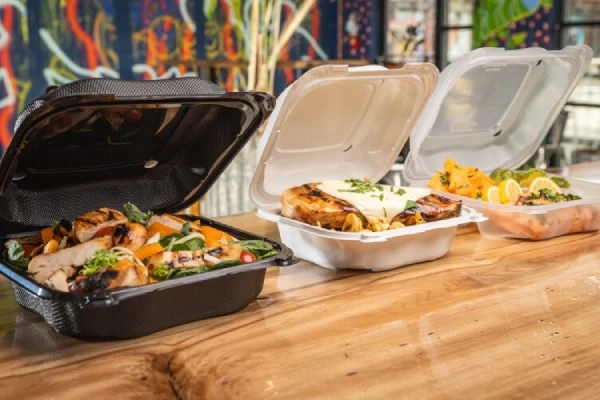
Foodservice Creates a Different Design Brief
Quick-service restaurants, fast-casual concepts, ghost kitchens, caterers, convenience stores, and grocery prepared-food departments all depend on packaging for off-premises orders.
Their menus may include burgers, fried chicken, fries, pasta, curries, salads, grain bowls, soups, and combination meals. Each category creates different packaging demands:
- Fried foods release steam that can damage crispness.
- Sauced meals test closures and seams.
- Cold foods need freshness and presentation.
- Combination meals need separation.
- Heavy entrées need strength and stability.
Foodservice packaging design should therefore begin with the menu and the expected journey of the order, not appearance alone.
Why Restaurant Packaging Design Is Different From Retail Packaging
The clearest difference is when the package must prove its value.
| Design priority | Retail packaging | Foodservice packaging |
|---|---|---|
| Primary role | Protect, display, and identify a product | Protect a freshly prepared meal |
| Product condition | Usually stable and standardized | Hot, cold, steaming, oily, or sauce-heavy |
| Main environment | Distribution, shelves, and storage | Kitchens, pickup areas, delivery bags, and vehicles |
| Critical features | Shelf presence, labeling, and barriers | Venting, leak resistance, stacking, and reheating |
| Customer judgment | Often before purchase | Mostly after purchase |
Retail packaging often helps secure the purchase. Restaurant packaging must protect the experience after the purchase.
Start With What the Food Does After the Lid Closes
Strong restaurant packaging design considerations are based on food behavior.
Before selecting a container, operators should ask:
- How much steam will the food release?
- Does it contain grease, sauce, or free liquid?
- Must hot and cold components remain separate?
- Will containers be stacked?
- How long will the order travel?
- Will the customer store or reheat it?
- Can employees fill and close it quickly during a rush?
These questions turn packaging selection into a performance decision rather than a simple choice based on size and price.
Vented Packaging Helps Protect Crispy Foods
Fries, wings, fried chicken, toasted sandwiches, and breaded seafood need controlled moisture release. When steam has nowhere to go, it collects inside the lid and can return to the food as condensation. The meal may stay warm while losing the texture the customer expected.
Genpak’s Clover™ containers combine venting with leak-resistant, stackable polypropylene construction for hot and cold takeout applications.
ProView™ containers add a clear vented top and black base, helping manage steam while keeping the meal visible and presentable.
The design goal is not to release all heat. It is to create enough ventilation to control moisture without compromising the meal.
Leak Resistance Protects the Entire Order
Pasta, curries, barbecue, rice dishes, and entrées with gravy need containers that can handle sauce, grease, movement, and stacking without opening or leaking.
One failed closure can weaken a delivery bag, stain other packages, damage labels, and affect the entire order.
Genpak’s Smart2Go containers provide a two-piece, stackable format for hot and cold foods. Their clear lids can also help employees identify items without reopening the container.
For sauce-heavy foods, closures should be tested under realistic movement, not only while the package sits flat on a counter.
Structure and Separation Preserve the Meal
A container can hold every component and still deliver a poor result. Sauce may reach a crispy side, a hot entrée may warm a chilled garnish, or the meal may shift and lose its presentation.
Compartments and close-off features can help:
- Separate wet and dry foods
- Protect contrasting textures
- Limit movement during transport
- Keep sauces and sides organized
- Make the meal easier to serve and eat
The layout should follow the menu. Extra compartments are useful only when they improve food quality or service efficiency.
Packaging Must Work During the Rush
Foodservice packaging is also part of the restaurant operation. During peak periods, employees need formats that are easy to store, fill, close, label, and stack.
Operators should consider whether:
- Bases and lids are easy to match
- Closures can be secured consistently
- Finished orders remain stable
- Food can be identified without reopening the package
- Containers fit pickup shelves and delivery bags
- Packaging takes up excessive storage space
Clear-lid options such as Grab-A-Bowl can support content identification for salads, bowls, prepared lunches, and meal-prep applications.
A package that protects the food but slows the line is not fully optimized.
Match the Material to the Application
Material affects heat tolerance, rigidity, insulation, visibility, reheating, and end-of-use options.
| Application need | Genpak example |
|---|---|
| Microwave-ready hot or cold meals | Clover™ polypropylene |
| Clear presentation with ventilation | ProView™ |
| Sauced entrées and prepared meals | Smart2Go |
| Bowls, salads, and meal-prep items | Grab-A-Bowl |
| Insulated hot-food service | Genpak Foam |
| Commercially compostable fiber option | Harvest® Fiber |
Sustainability and performance should be assessed together. A container that leaks, requires double packing, or causes food to be replaced creates additional packaging and food waste.
The most appropriate option is the one that meets the performance requirements of the meal while supporting the operator’s material and disposal goals.
Test the Meal, Not the Empty Container
Before a larger rollout, operators should test real menu items under normal service conditions:
- Pack the meal at its usual serving temperature.
- Close and stack it as employees normally would.
- Place it in the actual takeout or delivery bag.
- Wait for the typical pickup or delivery time.
- Check texture, condensation, leaks, temperature, and presentation.
- Test opening, storage, and reheating.
Testing should begin with high-volume items and foods that generate the most takeout complaints. A container that looks suitable while empty may perform very differently when filled with hot, heavy, or sauce-rich food.
Make Packaging Part of the Menu Strategy
The right container should solve a specific problem for a specific meal.
Fried foods may need ventilation. Sauced entrées may need stronger closures. Combination meals may need separation. Salads and prepared bowls may need visibility and stable stacking. Heavy hot meals may require additional insulation and structure.
That is what makes foodservice packaging different from retail packaging: it is designed around the condition of the food, the speed of the operation, and the way the customer receives the order.
Operators should begin by reviewing their highest-volume off-premises menu items and identifying the main performance risk for each one. Matching those risks to the right container can protect food quality, reduce packaging failures, and create a more consistent experience from the kitchen to the customer.
Explore Genpak foodservice packaging solutions or contact the Genpak sales team to compare container formats for a specific menu and operation.